
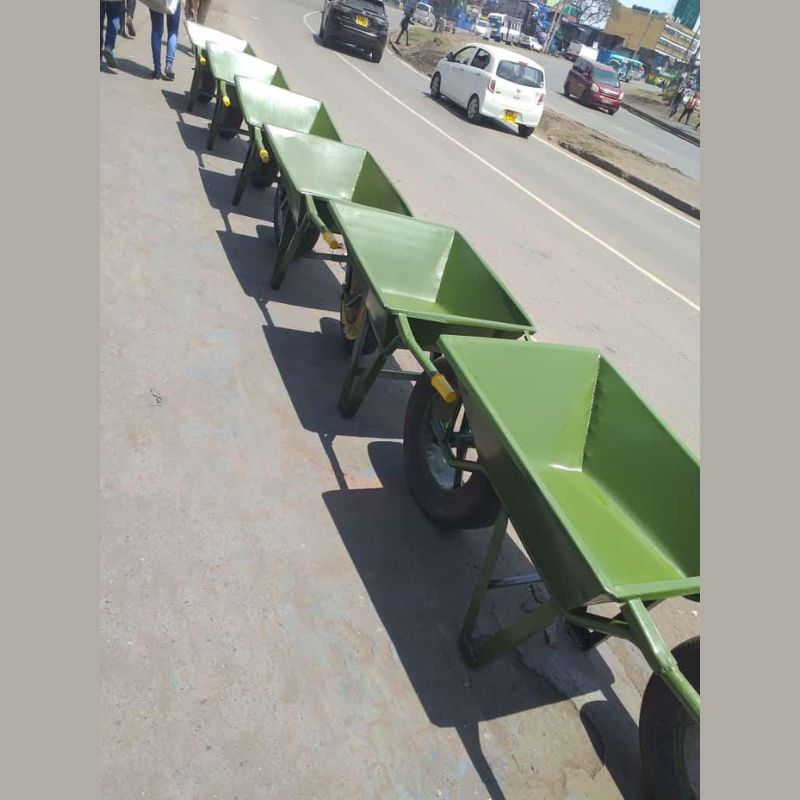
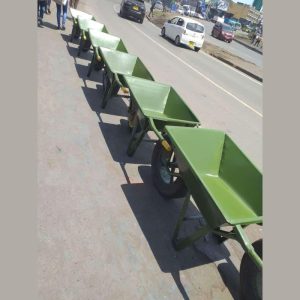
Wheelbarrow Heavy Duty
Key Features
• Thick gauge steel tray resists dents and handles heavy loads
• Pneumatic tire absorbs shocks and rolls smoothly over rough ground
• Reinforced frame with hardwood or metal handles for durability
• Balanced design prevents tipping during loading and dumping
• Ideal for construction sites, farms, landscaping and general hauling
A heavy duty wheelbarrow stands up to the toughest jobs that lighter models cannot handle. Standard wheelbarrows buckle under heavy loads of wet concrete, sharp rocks, or dense soil. Their trays dent easily, frames bend, and tires puncture. The heavy duty version solves these problems with thicker materials and reinforced construction. This tool moves substantial amounts of material efficiently, saving time and preventing back strain. Whether pouring a concrete foundation, hauling manure to garden beds, or clearing construction debris, this wheelbarrow performs reliably day after day.
The tray construction determines how well a wheelbarrow resists damage. Heavy duty models use thick gauge steel, typically 18 to 20 gauge, that withstands impacts from loading shovels and dumped rocks. The tray features rolled edges that add rigidity and protect hands from sharp metal. A seamless design eliminates crevices where wet materials like concrete or mortar can harden and become impossible to remove. Some trays include a sloped front that makes dumping easier, allowing material to slide out cleanly without sticking. Powder coated or painted finishes resist rust, though storing the wheelbarrow under cover extends its life significantly.
The wheel and tire assembly determines how easily the wheelbarrow moves over different surfaces. Pneumatic tires, filled with air, absorb shocks from bumps and uneven ground. This cushioning protects the frame and the operator’s arms during transport. The tread pattern provides traction on loose surfaces like gravel, mud, or grass. A larger diameter wheel, typically 16 inches, rolls over obstacles more easily than smaller wheels. Grease fittings on the wheel bearings allow regular lubrication, extending wheel life. Some models offer flat free tires that never go flat, useful on job sites with sharp debris that punctures pneumatic tubes.
The frame and handles provide the leverage needed for lifting and dumping heavy loads. Heavy duty wheelbarrows use thick walled steel tubing that resists bending under full loads. The undercarriage design places the wheel far enough forward to balance the load correctly. Overloading the front causes the wheelbarrow to tip forward during lifting. Overloading the back makes it hard to lift the handles. Proper balance makes moving heavy loads surprisingly easy. Handles can be hardwood, which stays cool in sun and warm in cold, or tubular steel, which adds strength. Rubber grips improve comfort and prevent slipping during wet conditions.
Maintaining your heavy duty wheelbarrow keeps it working safely. Rinse the tray after each use to remove debris. Lubricate wheel bearings every few months. Check tire pressure before each use. Tighten loose bolts periodically. Store upside down or under cover to prevent water pooling in the tray.
Bringing everything together, a heavy duty wheelbarrow tackles demanding hauling tasks that destroy ordinary models. Thick steel resists dents from heavy loads. Pneumatic tires roll smoothly over rough ground. Reinforced frames support maximum weight without bending. Balanced design prevents tipping during transport. Whether mixing concrete on a construction site, spreading compost on a farm, or clearing landscaping debris, this heavy duty wheelbarrow will move material efficiently and reliably for years.
Be the first to review “Wheelbarrow Heavy Duty”
Related products
-
School tea arn
Original price was: KSh84,000.KSh70,000Current price is: KSh70,000. -
chips warmer
Original price was: KSh8,000.KSh7,000Current price is: KSh7,000. -
Stainless steel rack
Original price was: KSh38,000.KSh35,000Current price is: KSh35,000. -
Kitchen rack
Original price was: KSh40,000.KSh38,000Current price is: KSh38,000. -
-
Kitchen rack
Original price was: KSh38,000.KSh35,000Current price is: KSh35,000.



Reviews
There are no reviews yet.