
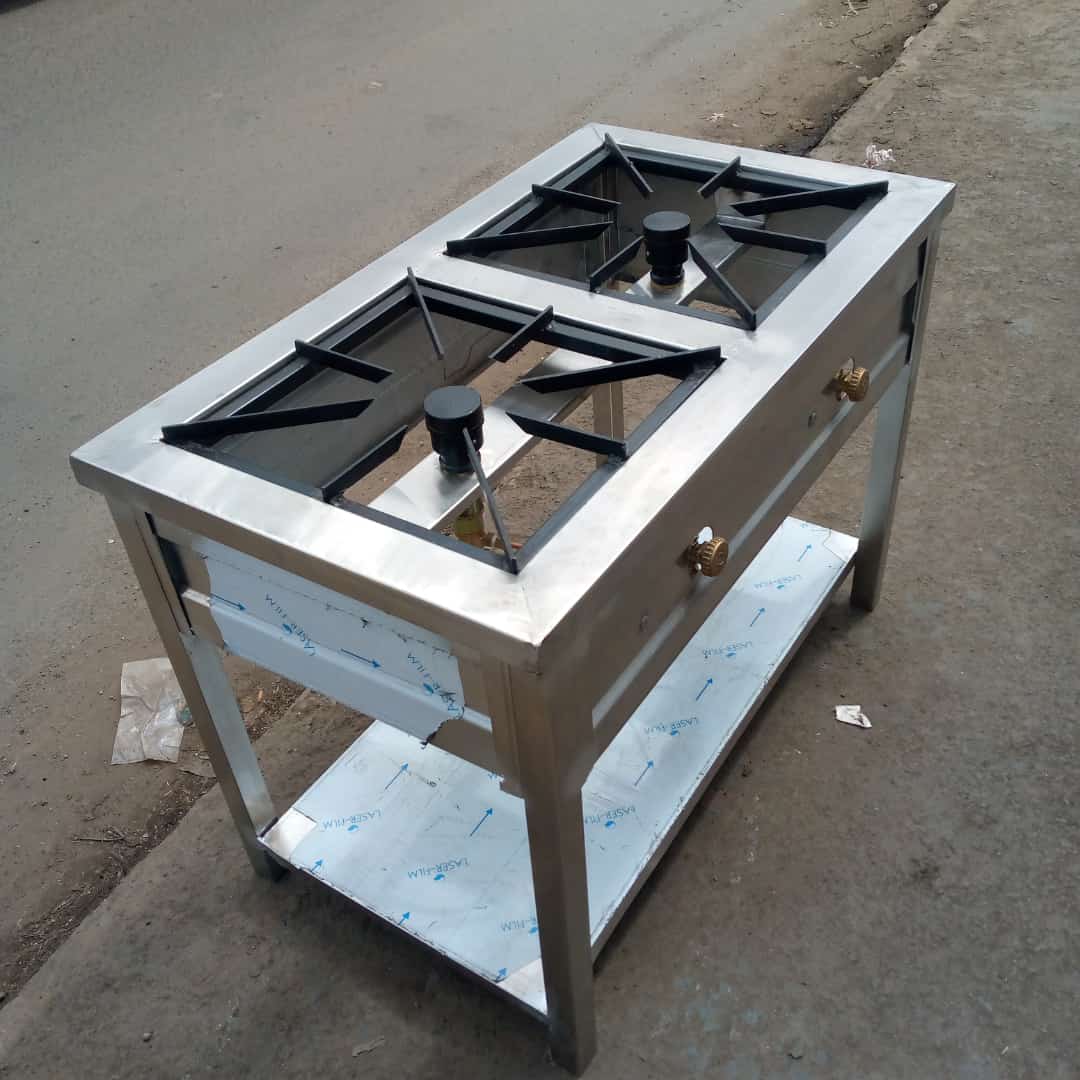
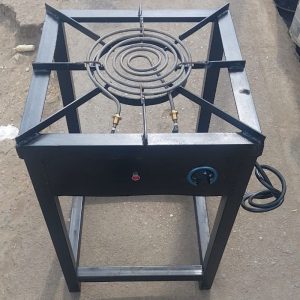
gas cooker
Key Features
• High-Efficiency Burners
• Durable Stainless Steel or Enamel Surface
• Auto-Ignition System
• Flame Failure Safety Device
• Multiple Burner Sizes
• Heavy-Duty Cast Iron Pan Supports
• Easy-Clean Knobs and Detachable Parts
• Convertible
Cooking daily meals for a family requires reliable equipment that works every time. Electric stoves heat up slowly. Induction cooktops require special pots. Charcoal and firewood produce smoke and need constant attention. A gas cooker offers the perfect balance of speed, control, and affordability. Whether you are boiling water for pasta, frying eggs for breakfast, or simmering a stew for dinner, a gas cooker responds instantly when you turn the knob. The flame adjusts from a roaring high heat to a gentle simmer with a simple twist. This level of control is what makes gas the preferred choice for home cooks and professional chefs alike.
A gas cooker works by burning LPG or natural gas to produce an open flame. This flame transfers heat directly to your pot or pan without any middle layer. Electric stoves must heat a coil or ceramic surface first, then that surface heats your pot. This indirect method wastes energy and takes longer. Gas delivers heat instantly. Turn the knob and you have flame. Turn it off and the heat stops immediately. No waiting for coils to cool down. No residual heat continuing to cook your food after you remove it from the stove. This instant response gives you precise control over cooking temperatures, helping you achieve better results with less effort.
The burner design on a modern gas cooker includes several features that improve cooking performance. High power burners produce intense flames for rapid boiling and wok cooking. Medium burners handle everyday tasks like frying, sautéing, and boiling rice. Low power simmer burners produce gentle flames for melting butter, warming milk, and keeping sauces hot without burning. The flame spreaders distribute fire evenly across the bottom of your pot, eliminating hot spots that burn food in some areas while leaving other areas undercooked. Heavy cast iron pan supports keep your pots steady and secure, even when stirring vigorously or shaking the pan.
Safety features protect your family during daily use. Every quality gas cooker includes a flame failure safety device on each burner. A small sensor monitors whether the flame remains active. If something accidentally extinguishes the fire, such as a pot boiling over or a strong draft from an open window, the gas supply cuts off automatically within seconds. No gas leaks mean no risk of fire or explosion. Auto ignition makes lighting simple too. Just press and turn the knob. A spark ignites the gas immediately. No matches or lighters needed. This feature is especially valuable for people with arthritis or limited hand strength who struggle with matches.
Choosing the right size gas cooker depends on your household needs. Two burner models fit small apartments, studio units, and RVs. Three burner models suit small families who cook multiple dishes but have limited counter space. Four burner models are ideal for families of four or more who regularly prepare complete meals with several dishes. Five burner models add an extra high power wok burner or an additional simmer burner for more cooking flexibility. Measure your available counter space before purchasing. Most gas cookers come in standard widths of 50, 60, 70, or 90 centimeters.
The material quality of your gas cooker affects its lifespan and ease of cleaning. Stainless steel surfaces resist rust, stains, and heat damage. The brushed finish hides minor scratches and fingerprints. Enamel coated surfaces come in various colors to match your kitchen decor but can chip if struck with heavy pots. Glass surfaces look sleek and modern but require careful cleaning to avoid scratches. Removable burner caps and pan supports make cleaning easier. Lift them off and wash them in warm soapy water. Wipe the main surface with a damp cloth after each use to prevent grease buildup and stubborn stains.
Installation requires professional help for gas connection. A certified technician must connect the gas cooker to your LPG cylinder or natural gas line. They will check for leaks, adjust the regulator, and ensure proper ventilation. Do not attempt to install a gas cooker yourself. Incorrect installation can cause gas leaks, fires, or carbon monoxide poisoning. The technician will also convert the cooker for your specific gas type if needed. LPG and natural gas require different jet sizes. Using the wrong jets leads to yellow flames, sooty pots, and inefficient burning.
Maintaining your gas cooker keeps it performing safely and efficiently. Wipe the surface after each use. Clean burner jets periodically with compressed air or a thin needle. Never use a toothpick or metal object that could enlarge the jet opening. Check gas hoses every few months for cracks or leaks. Perform a simple leak test by brushing soapy water on connections while the gas is on but burners are off. Bubbles indicate a leak needing professional repair. Replace gas hoses every two to three years or sooner if damage appears.
Bringing everything together, a gas cooker offers home cooks the speed, control, and affordability needed for daily meal preparation. Instant flame response lets you adjust heat precisely. Multiple burner sizes handle everything from rapid boiling to gentle simmering. Safety features protect your family from gas leaks. Durable stainless steel surfaces resist rust and clean easily. Professional installation ensures safe operation. Proper maintenance extends the life of your appliance. Whether you are cooking for one or feeding a family of six, a gas cooker will serve you reliably every single day.
Be the first to review “gas cooker”
Related products
-
High pressure gas cooker
Original price was: KSh36,000.KSh32,000Current price is: KSh32,000. -
Combined cooking units
Original price was: KSh160,000.KSh150,000Current price is: KSh150,000. -
Combined cooking units
Original price was: KSh280,000.KSh270,000Current price is: KSh270,000. -
single burner gas
Original price was: KSh15,000.KSh13,000Current price is: KSh13,000. -
Electric jiko
Original price was: KSh18,000.KSh13,000Current price is: KSh13,000. -
Combined cooker units
Original price was: KSh350,000.KSh330,000Current price is: KSh330,000.


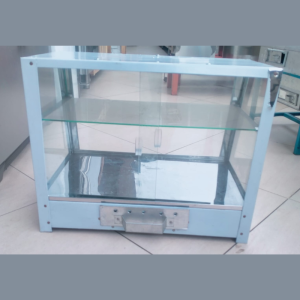 Charcoal Chips warmer
Reviews
There are no reviews yet.