

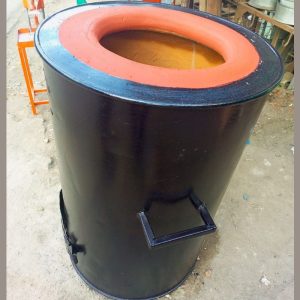
Clay jiko
Key Features of Clay Jiko
- Traditional clay body with ceramic liner for efficient heat retention
- Fuel-efficient design that uses less charcoal
- Affordable and accessible for households and small vendors
- Available in different sizes for home and commercial use
- Locally made by Kenyan artisans
- Excellent heat retention to keep food warm longer
- Simple and easy to use with no complex setup
- Easy ash removal for better airflow and maintenance
- Replaceable ceramic liner for long-term use
- Ideal for everyday cooking like ugali, tea, stews, and frying
For generations, Kenyan families have prepared meals over clay cookstoves. The familiar shape, the steady heat, the way a sufuria sits perfectly on top, it is all part of daily life. Modern metal jikos have become common, but many families still prefer the cooking performance of traditional clay. A clay jiko retains heat better, uses less charcoal, and costs significantly less than metal alternatives. Understanding these benefits helps explain why this simple stove remains so popular in homes and food stalls across Kenya.
A clay jiko works differently than a metal jiko. The outer body is made from clay, which is a natural insulator. Heat stays inside the stove instead of radiating out into the room. The ceramic liner at the bottom holds the charcoal and reflects heat upward toward the cooking pot. Metal jikos, by contrast, conduct heat away from the fire, wasting fuel and making the outer surface dangerously hot. This insulation advantage means a clay jiko uses up to 30 percent less charcoal than a basic metal jiko of similar size. For a household that spends 500 shillings per week on charcoal, switching to a clay jiko saves 150 shillings every week. Over a year, that saving reaches nearly 8,000 shillings.
The clay jiko is also much more affordable than metal or imported stoves. Local artisans manufacture these stoves using clay sourced from nearby riverbeds and fields. No expensive materials or complicated machinery are needed. The simple production process keeps prices low, making the clay jiko accessible to low income families who cannot afford expensive stoves. A typical clay jiko costs a fraction of what a metal jiko costs. Some families even make their own at home using local clay and simple molds. This affordability means every family can have an efficient cookstove regardless of their budget.
Heat retention is another major advantage of the clay jiko. Clay naturally absorbs heat and releases it slowly over time. After the charcoal dies down, the stove body stays warm for an hour or more. Food continues cooking or stays hot without burning extra fuel. This is especially valuable for dishes like ugali or stew that benefit from gentle residual heat. Metal jikos cool down almost immediately after the charcoal finishes, providing no residual cooking benefit. Families who cook in the morning can keep food warm until lunchtime without relighting the fire.
Size options make the clay jiko suitable for different needs. The small home version holds enough charcoal for cooking one or two pots, perfect for a family of four to six people. The large version used by food stalls and cafes can hold more charcoal and support larger sufuria for cooking bigger batches. Both sizes share the same efficient design principles. The metal grate at the bottom holds the charcoal while allowing ash to fall through. Tapping the jiko gently clears ash and keeps air flowing to the fire. The ceramic liner eventually wears out after months of use, but replacement liners are available from local vendors at low cost.
Using a clay jiko takes some practice but quickly becomes natural. Place charcoal in the bottom. Light it using kindling or firelighters. Wait for the coals to glow red. Place your sufuria on top. Adjust the heat by tapping the jiko to remove ash for more air or covering partially to reduce airflow. The clay body stays warm but not dangerously hot. Always place the jiko on a level surface away from flammable materials. Never leave a burning jiko unattended, especially around children.
Maintaining your clay jiko extends its life significantly. Store it in a dry place during rainy seasons. Wet clay can crack or dissolve over time. Remove ash daily to prevent buildup. Replace the ceramic liner when cracks appear. If the outer clay body cracks, small cracks can be repaired with fresh clay mixed with water. Large cracks mean it is time for a new jiko. With proper care, a clay jiko can last six months to a year of daily use.
Bringing everything together, the clay jiko offers Kenyan families an affordable, fuel efficient, and culturally familiar way to cook daily meals. Clay insulation reduces charcoal use by up to 30 percent, saving money every week. Local manufacturing keeps prices low and supports community artisans. Excellent heat retention keeps food warm long after the fire dies. Available sizes suit both home cooks and food vendors. Simple maintenance extends the life of the stove. Whether you are cooking ugali for your family or running a small food business, this traditional stove will serve you reliably every single day.
Be the first to review “Clay jiko”
Related products
-
Tandoori Oven
Original price was: KSh30,000.KSh28,000Current price is: KSh28,000. -
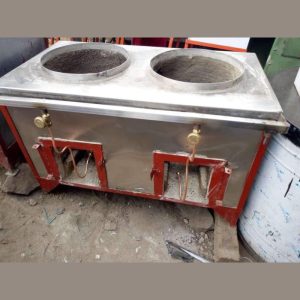
Gas boiler jiko
Original price was: KSh94,000.KSh90,000Current price is: KSh90,000. -
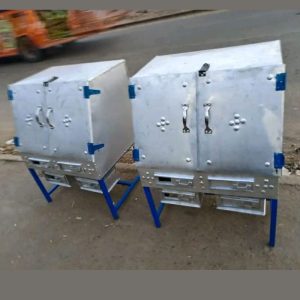
Charcoal Oven
Original price was: KSh9,000.KSh7,500Current price is: KSh7,500. -
Commercial oven
Original price was: KSh16,000.KSh14,000Current price is: KSh14,000. -
School Boiler 150ltrs
Original price was: KSh150,000.KSh135,000Current price is: KSh135,000. -
jiko boiler
Original price was: KSh100,000.KSh90,000Current price is: KSh90,000.


Reviews
There are no reviews yet.