

Hand wash sink
Key Features
-
Compact design fits tight spaces in washrooms and kitchens
-
Stainless steel construction resists rust, stains, and bacteria
-
Foot pedal or sensor operation available for touchless use
-
Easy clean surface meets health and safety standards
-
Ideal for hospitals, restaurants, food factories, and public washrooms
A hand wash sink is an essential fixture for maintaining hygiene in commercial and public spaces. Unlike general purpose sinks, these units are designed specifically for hand hygiene with features that encourage proper technique and prevent cross contamination. The stainless steel construction resists rust, corrosion, and harsh cleaning chemicals used in healthcare and food service. The non porous surface does not harbor bacteria, making it simple to sanitize between users. Hospitals, restaurants, food processing plants, schools, and public washrooms all require reliable hand wash sinks to meet health and safety regulations.
The operation method significantly affects both hygiene and user experience. Traditional taps require users to touch handles with dirty hands, potentially transferring germs. Touchless sensor models solve this problem by activating water flow when hands approach. Foot pedal operated sinks allow hands free control while providing reliable mechanical operation. Knee operated valves offer another hands free option. Manual lever handles remain popular for their simplicity and durability, requiring no electricity or batteries. For high risk environments like operating rooms or food production lines, hands free operation is strongly recommended.
The size and configuration of a hand wash sink depends on the installation location. Single station units measuring 400 to 450 millimeters wide suit individual use in examination rooms, small kitchens, or office restrooms. Double station units extending to 800 to 900 millimeters allow two people to wash simultaneously, common in hospital corridors and food factory entrances. Wall mounted sinks save floor space and simplify cleaning underneath. Floor standing models with legs provide stability where wall mounting is not possible. Some units include an integral backsplash that protects the wall and provides mounting for faucets.
Additional features enhance functionality and encourage proper hand hygiene. An integrated soap dispenser mounts directly to the sink, keeping soap accessible. Paper towel holders or hand dryer mounts position drying materials conveniently. Waste bins for used towels can be built into the unit. Temperature mixing valves prevent water from becoming dangerously hot, protecting children and elderly users. Timed flow valves shut off automatically after a set period, conserving water. Some models include a mirror mounted above for user convenience.
Installation requirements vary by model. Wall mounted units need sturdy backing within the wall to support the weight. Floor standing models require level floors and proper drainage connections. Water supply lines must deliver both hot and cold water, typically through mixing valves. Drainage connections use standard 40 millimeter pipes with P traps to prevent sewer gases. Backflow prevention devices protect the water supply from contamination.
Maintaining your hand wash sink keeps it hygienic. Wipe surfaces daily with mild detergent. Sanitize with appropriate cleaner. Clean and disinfect faucet handles or sensors. Check soap dispenser and refill regularly. Remove mineral deposits with vinegar or descaler.
Bringing everything together, a hand wash sink delivers reliable hygiene for commercial and public spaces. Stainless steel resists rust and cleans easily. Touchless or foot pedal operation prevents germ transfer. Multiple configurations suit any traffic level. Easy maintenance keeps the unit sanitary. Whether equipping a hospital, restaurant, or school, this hand wash sink will help maintain health standards effectively.
Be the first to review “Hand wash sink”
Related products
-
Hand wash scrub sinks
Original price was: KSh44,000.KSh40,000Current price is: KSh40,000. -
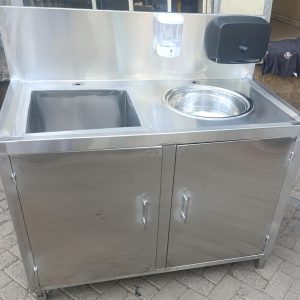
Hand wash and damper
Original price was: KSh48,000.KSh45,000Current price is: KSh45,000. -
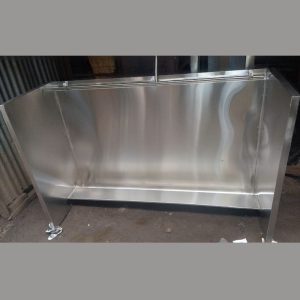
Stainless Steel Urinal Area
Original price was: KSh33,000.KSh30,000Current price is: KSh30,000. -
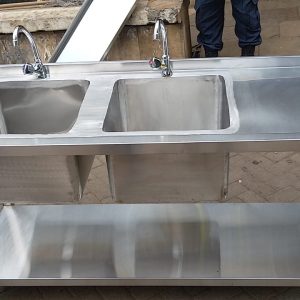
Double sinks stainless steel
Original price was: KSh43,000.KSh40,000Current price is: KSh40,000. -
Double sinks stainless steel
Original price was: KSh55,000.KSh53,000Current price is: KSh53,000. -
Hand wash
Original price was: KSh25,000.KSh20,000Current price is: KSh20,000.




Reviews
There are no reviews yet.