
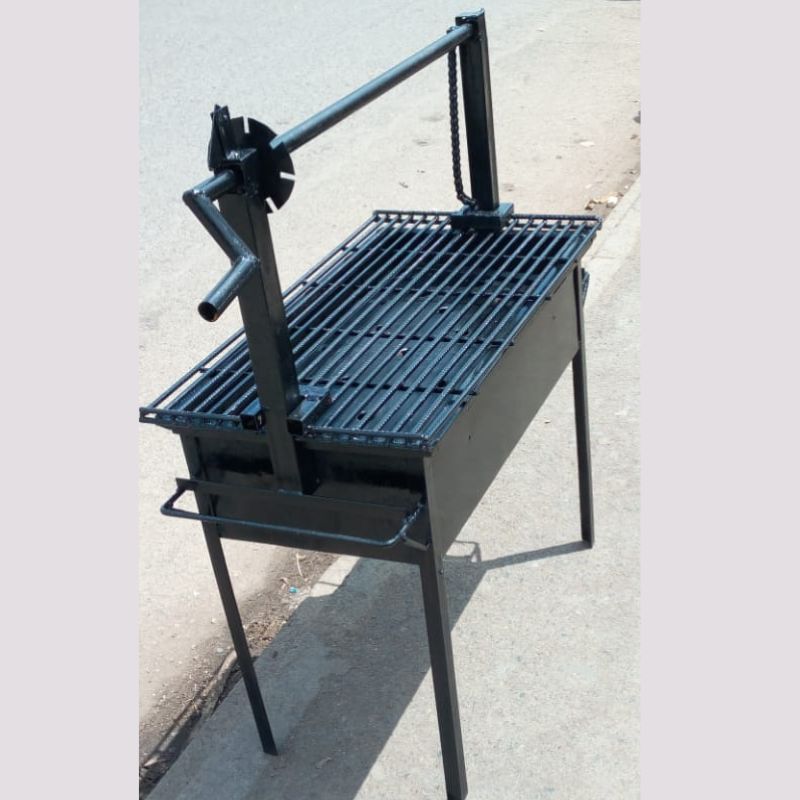
Meat grills
Key Features
-
High heat searing locks in juices and creates caramelized crust
-
Adjustable grates or vents for temperature control
-
Heavy gauge steel or cast iron construction for durability
-
Removable grates and ash pan for easy cleaning
-
Ideal for steaks, burgers, chicken, ribs, and sausages at home or commercially
A meat grill is designed specifically for cooking animal proteins over direct or indirect heat. Unlike general purpose grills, meat focused models prioritize high heat output for proper searing. Searing creates the Maillard reaction, a chemical process that produces the brown crust and complex flavors associated with great grilled meat. Without sufficient heat, meat steams rather than sears, resulting in gray, unappetizing surfaces and less flavor development. A quality meat grill reaches temperatures between 230 and 315 degrees Celsius, hot enough to create attractive sear marks while keeping the interior juicy.
The cooking surface design significantly affects meat quality. Thick cast iron or stainless steel grates retain heat better than thin wire grates. This thermal mass prevents temperature drops when cold meat touches the surface. The grates also conduct heat directly into the food, creating conductive cooking in addition to radiant heat from below. Closely spaced grates work well for smaller items like sausages or shrimp. Wider spaced grates suit larger cuts like steaks or chicken breasts. Some models feature reversible grates with a flat side for breakfast foods and a ridged side for searing meat.
Temperature control methods vary by fuel type. Charcoal grills use adjustable vents to regulate airflow. More air means hotter fire. Less air lowers temperature. Gas grills feature individual burner controls, allowing different temperature zones across the cooking surface. This zoning capability proves valuable when cooking different meats simultaneously. High heat for steaks on one side. Lower heat for chicken or sausages on the other. Built in thermometers on the lid show internal temperature without lifting and losing heat. Instant read thermometers check internal meat temperature for doneness.
Construction durability matters for equipment exposed to high heat and weather. Heavy gauge steel resists warping from repeated heating and cooling. Stainless steel or porcelain enamel coatings prevent rust. Cast iron grates require seasoning to prevent rust but provide superior heat retention. Double wall lids trap heat and smoke, improving fuel efficiency. Removable ash pans or drip trays simplify cleanup by catching falling debris and grease. Side shelves provide workspace for seasoning, flipping, and plating.
Size options suit different needs. Compact portable grills with 200 to 300 square inches fit camping trips and small patios. Standard grills with 400 to 600 square inches serve most households. Large models with 800 square inches or more handle parties or commercial use. Multiple cooking levels within the same grill allow direct grilling over heat on one level and indirect cooking on another.
Maintaining your meat grill keeps it performing safely. Clean grates after each use with a wire brush while still warm. Empty ash pans or drip trays regularly. Wipe exterior surfaces with mild detergent. Check gas lines annually for leaks if using propane. Store under cover during wet weather.
A meat grill also delivers the high heat and proper design needed for excellent results. Thick grates retain heat for proper searing. Temperature controls suit different meat types. Durable construction withstands years of use. Easy cleaning maintains hygiene. Whether cooking steaks for family dinner or running a restaurant grill station, this meat grill will produce delicious, juicy results every time.
Be the first to review “Meat grills”
Related products
-
Closed barbeque grill
Original price was: KSh12,000.KSh10,000Current price is: KSh10,000. -
Stainless steel charcoal grill
Original price was: KSh43,000.KSh38,000Current price is: KSh38,000. -
charcoal grill
Original price was: KSh45,000.KSh40,000Current price is: KSh40,000. -
Round grill
Original price was: KSh8,400.KSh7,500Current price is: KSh7,500. -
Stainless steel Meat Grills
Original price was: KSh44,000.KSh40,000Current price is: KSh40,000. -
Stainless Steel Meat Grill with Cabinet
Original price was: KSh70,000.KSh65,000Current price is: KSh65,000.




Reviews
There are no reviews yet.