

Plastic tank construction
Key Features
• High density polyethylene resists cracks, rust, and corrosion
• Lightweight design allows easy transport and installation
• UV stabilized material prevents sun damage and algae growth
• Multiple sizes from 100 to 10,000 liters available
Plastic tank construction has revolutionized water storage across homes, farms, and industries. Traditional tanks made from metal rust and corrode over time. Concrete tanks crack and leak. Plastic tanks, specifically those manufactured from high density polyethylene, offer a superior alternative. This material resists impact, chemicals, and weathering. It does not rust or rot. It remains unaffected by most acids and alkalis found in rainwater, groundwater, or treated municipal supplies. The smooth interior surface prevents bacterial growth and makes cleaning simple.
The manufacturing process of plastic water tanks uses rotational molding technology. Powdered polyethylene resin loads into a mold. The mold spins in an oven, melting the resin and coating the interior walls evenly. This creates a seamless, one piece tank with no welded joints or glued seams where leaks could develop. Wall thickness remains consistent throughout the tank, providing uniform strength. Ribbed or corrugated designs add structural reinforcement without increasing weight. The result is a tank that stands up to years of outdoor exposure and daily use.
UV stabilization proves critical for tanks installed outdoors. Standard polyethylene degrades under direct sunlight, becoming brittle and cracking within months. UV stabilized material includes additives that absorb or reflect harmful ultraviolet radiation. This protection allows the tank to sit in open sunlight for many years without weakening. Darker colors like black or green block light penetration, preventing algae growth inside the tank. Lighter colors keep water cooler in hot climates. Some manufacturers offer opaque materials that completely block light, eliminating algae concerns entirely.
Size options suit every application from small households to large agricultural operations. A 500 liter tank fits most residential homes with a few family members. A 1000 to 2000 liter tank serves larger families or small farms. Commercial properties like hotels, schools, and hospitals require 5000 to 10,000 liter capacities. Industrial facilities may need multiple tanks or custom sizes. Most tanks include threaded outlets and inlets at the bottom and top, allowing easy connection to pipes, pumps, and fittings. Removable lids provide access for cleaning and inspection.
Installing a plastic tank requires minimal preparation compared to concrete or steel alternatives. The lightweight construction allows two people to move and position the tank without heavy equipment. Place the tank on a level, compacted surface of sand or gravel. Concrete pads work well but are not mandatory. Connect the inlet pipe from your roof, borehole, or municipal supply. Attach an outlet pipe to your distribution system. Overflow pipes prevent overfilling. The entire installation typically takes a few hours rather than days.
Maintaining your plastic tank ensures water quality. Inspect the lid seal annually to prevent debris entry. Clean the interior every six to twelve months using a soft brush and mild detergent. Check for cracks around fittings. Trim nearby trees to prevent falling branches from damaging the tank.
Bringing everything together, plastic tank construction offers the best combination of durability, affordability, and ease of use. High density polyethylene resists cracks, rust, and corrosion. UV stabilization prevents sun damage. Multiple sizes suit any application. Lightweight design simplifies installation. Whether storing drinking water for your family, irrigation water for your farm, or process water for your business, this plastic tank will serve your needs reliably for many years
Be the first to review “Plastic tank construction”
Related products
-
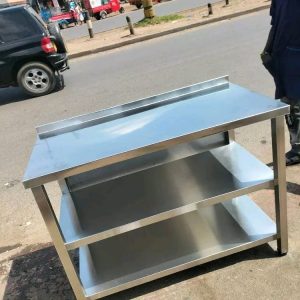
Stainless steel working table
Original price was: KSh17,000.KSh15,000Current price is: KSh15,000. -
-
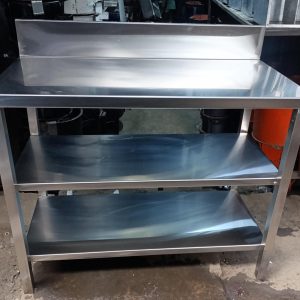
Stainless steel Working table
Original price was: KSh22,000.KSh20,000Current price is: KSh20,000. -
Stainless working table
Original price was: KSh20,000.KSh17,000Current price is: KSh17,000. -
Chips Warmer Display
Original price was: KSh9,000.KSh7,500Current price is: KSh7,500. -
Metallic meat box
Original price was: KSh17,000.KSh15,000Current price is: KSh15,000.



Reviews
There are no reviews yet.