
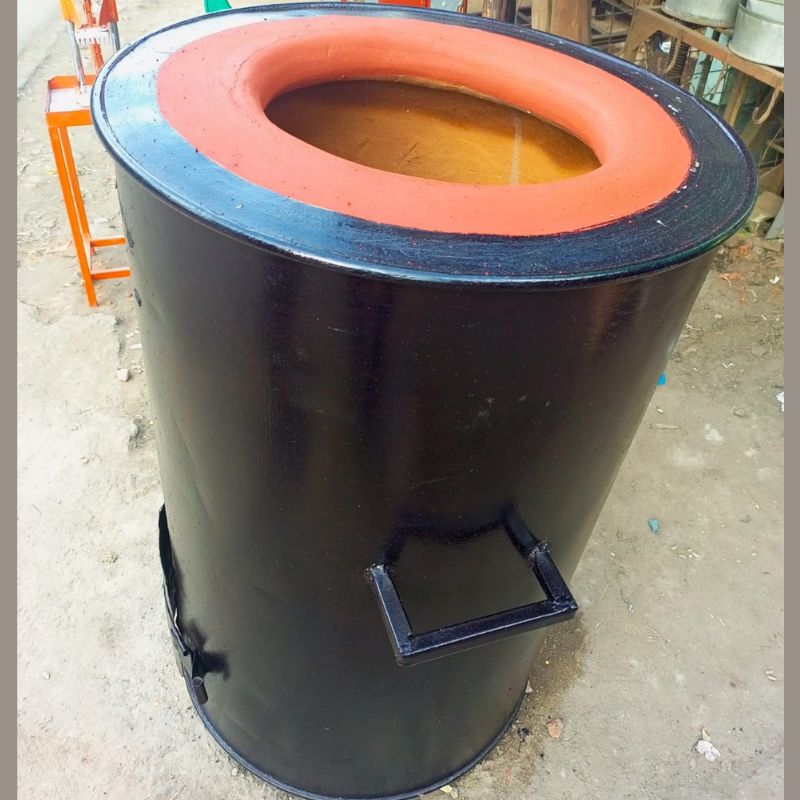
Tandoori Oven
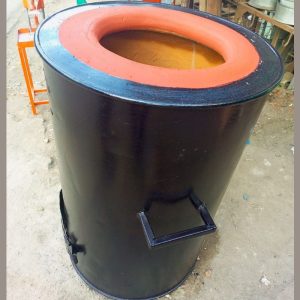
Key Features of Tandoori Oven
- High heat performance up to 500°C for authentic tandoori cooking
- Stainless steel construction that is rust-resistant and easy to clean
- Fast preheating for quick cooking and reduced waiting time
- Double-walled insulation for consistent heat and safer outer surface
- Fuel-efficient design that reduces charcoal, gas, or electricity use
- Versatile cooking for naan, kebabs, tikka, vegetables, and more
- Compact vertical design that saves kitchen or outdoor space
- Easy maintenance with no cracking, seasoning, or heavy cleaning
- Suitable for both indoor and outdoor use with proper ventilation
- Delivers authentic smoky flavor and traditional tandoori results
Authentic tandoori cooking has been perfected over centuries in India, Pakistan, and across Central Asia. The distinct smoky flavor, the charred edges on naan bread, and the juicy tenderness of chicken tikka all come from one specialized cooking vessel. A traditional clay tandoor produces incredible results but comes with significant drawbacks. Clay cracks under extreme heat. It absorbs marinades and becomes difficult to clean. It takes hours to reach the right temperature. Modern manufacturing has solved these problems with a tandoori oven made from stainless steel. This equipment gives you the same authentic cooking results without the headaches of traditional materials.
A tandoori oven works differently than a standard grill or conventional oven. Heat comes from charcoal, gas, or electricity at the bottom of a tall cylindrical chamber. The walls absorb this heat and radiate it inward, creating intense temperatures that can reach 500 degrees Celsius. Food cooks quickly from all sides at once. Naan bread sticks directly to the hot inner walls, developing blistered, charred spots in under one minute. Skewers of marinated meat hang vertically inside the chamber, cooking evenly without needing to be flipped. Vegetables roast with smoky flavor and caramelized edges. This unique cooking method cannot be replicated on a flat grill or in a standard kitchen oven.
Choosing a stainless steel tandoori oven over clay offers several clear advantages. Stainless steel resists rust and corrosion, which is essential for an appliance exposed to high heat, acidic marinades, and frequent cleaning. Unlike clay that eventually cracks from thermal stress, stainless steel withstands thousands of heating and cooling cycles without losing shape. The material is non-porous, so it does not absorb yogurt, lemon juice, or spice pastes. This makes cleaning dramatically easier. A simple wipe with a damp cloth removes burnt residue. No scrubbing, no scraping, no damaging the cooking surface. For restaurant owners and home cooks alike, this low-maintenance feature saves hours of work over the life of the appliance.
Heat efficiency is another major benefit of a modern tandoori oven. Many stainless steel models feature double-walled or insulated construction. The inner wall heats up quickly, reaching cooking temperature in minutes rather than hours. The insulation layer traps heat inside the cooking chamber, maintaining consistent temperatures even when you open the lid to add or remove food. The outer wall stays cooler to the touch, improving safety in busy kitchens. This design also reduces fuel consumption significantly. A well-insulated tandoori oven uses less charcoal, gas, or electricity than a traditional clay unit, saving you money on energy costs month after month.
Versatility makes this appliance valuable for many different cooking styles. A tandoori oven is not limited to Indian or Pakistani cuisine. You can use it to cook pizza with a perfectly charred crust. Whole chickens roast beautifully, with crispy skin and juicy meat. Fish fillets cook in minutes, developing a smoky flavor that complements delicate seafood. Vegetable skewers become a highlight of any barbecue. Lamb chops, paneer cubes, shrimp, and even halloumi cheese all cook exceptionally well in this environment. Some models include additional racks or grills for open-flame cooking, turning your tandoori oven into a multipurpose outdoor cooker for year-round use.
Size options suit different needs. Small countertop models work well for home cooks who want occasional tandoori meals. Medium units fit in most outdoor kitchens or backyards. Large commercial models serve busy restaurants cooking dozens of portions daily. All sizes share the same fundamental design and cooking principles. The vertical chamber maximizes cooking space while minimizing footprint, so even large capacity units do not take up excessive floor space.
Maintaining your tandoori oven takes minimal effort. Empty the ash pan after each use if you burn charcoal or wood. Wipe the interior walls while they are still warm. Remove and clean the drip tray regularly. Check the insulation periodically if your model has a double-wall design. Store the oven in a dry place or use a protective cover to prevent moisture damage during rainy seasons.
Bringing everything together, a tandoori oven made from stainless steel offers the perfect balance of authentic cooking results and modern convenience. High heat tolerance, rust resistance, easy cleaning, fuel efficiency, and cooking versatility make it a valuable addition to any kitchen. Whether you are a home cook making weekend naan and chicken tikka or a restaurant owner serving tandoori dishes daily, this appliance will deliver exceptional results year after year without the frustrations of traditional clay.
Be the first to review “Tandoori Oven”
Related products
-
Commercial oven
Original price was: KSh16,000.KSh14,000Current price is: KSh14,000. -
House bonfire
Original price was: KSh2,000.KSh1,500Current price is: KSh1,500. -
School Boiler 150ltrs
Original price was: KSh150,000.KSh135,000Current price is: KSh135,000. -
School boiler jiko
Original price was: KSh90,000.KSh85,000Current price is: KSh85,000. -
Locally made jiko okoa
Original price was: KSh4,200.KSh3,800Current price is: KSh3,800. -
Charcoal Chips warmer
Original price was: KSh6,000.KSh4,500Current price is: KSh4,500.


Reviews
There are no reviews yet.