

Metallic boxes
Key Features
-
Heavy gauge steel construction resists dents, impacts, and wear
-
Powder coated or stainless steel finish prevents rust and corrosion
-
Secure lid with hasp or cam lock prevents unauthorized access
-
Stackable design saves space in warehouses and vehicles
A metallic box provides secure, durable storage that plastic containers cannot match. Plastic cracks under heavy loads or impacts. Wood rots and splits over time. Cardboard collapses when wet. Steel stands up to rough handling, heavy stacking, and harsh environments. Factories use metallic boxes for spare parts and tools. Electricians store wiring and components in them. Offices keep important documents protected from fire and theft. Construction crews transport hardware to job sites. The versatility of metallic boxes makes them indispensable across countless industries.
The construction quality determines how well a metallic box performs over years of use. Heavy gauge steel, typically 18 to 20 gauge, resists bending and denting when stacked or dropped. Welded corners eliminate weak points where spot welded boxes fail. Reinforced edges prevent the lid and base from warping. The powder coated finish bonds permanently to the steel, resisting chips, scratches, and rust. For wet or corrosive environments, stainless steel boxes provide even greater protection. Galvanized boxes offer affordable rust resistance for outdoor use. Some models feature double wall construction for extra strength.
The lid and closure system secures contents against loss or tampering. A hasp with padlock hole accepts standard padlocks. Cam locks provide keyed security without needing an external padlock. Latch style closures snap shut quickly but do not lock, suitable for temporary storage. Piano hinges run the full length of the lid, distributing stress evenly across many small hinge knuckles rather than concentrating it on two or three points. Gas struts hold heavy lids open automatically. Removable lids work well for boxes that stay open during extended use.
Interior configurations organize contents efficiently. Empty boxes allow custom organization using dividers or foam inserts. Some boxes come with pre-cut foam that holds specific tools securely. Partitions divide the interior into compartments for small parts. Removable trays sit on ledges inside the box, creating a second layer for smaller items while leaving deeper storage underneath. Label holders on the front or side identify contents without opening the box. Stacking ribs on the lid mate with corresponding depressions on the base, preventing stacks from sliding.
Sizes range from small portable units to large industrial containers. A 300 by 200 by 150 millimeter box holds hand tools for maintenance work. A 600 by 400 by 300 millimeter box stores power tools or electrical supplies. Large 1000 by 500 by 400 millimeter boxes handle bulky items or large volumes of spare parts. Standard euro box sizes stack with pallets and shelving systems. Custom sizes available for specialized applications.
Maintaining your metallic box keeps it functioning properly. Wipe exterior surfaces with a damp cloth. Lubricate hinges and latches periodically with light oil. Touch up scratched paint to prevent rust. Check latches for alignment and adjust if needed. Replace missing or damaged gaskets on weather resistant models.
Bringing everything together, a metallic box delivers the durability and security that plastic containers cannot provide. Heavy steel construction withstands impacts and heavy loads. Rust resistant finishes protect against moisture. Secure closures prevent theft and accidental opening. Multiple sizes suit every application. Whether storing tools in a workshop, transporting parts to job sites, or protecting documents in an office, this metallic box will keep your contents safe, organized, and accessible for years.
Be the first to review “Metallic boxes”
Related products
-

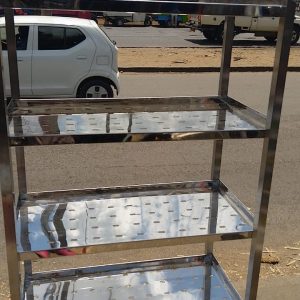
Kitchen racks or utensils rack
KSh35,000 -
Stainless stell working table
Original price was: KSh25,000.KSh23,000Current price is: KSh23,000. -
Stainless steel working table
Original price was: KSh17,000.KSh15,000Current price is: KSh15,000. -
Plastic tank construction
Original price was: KSh2,500.KSh2,200Current price is: KSh2,200. -
Chips Warmer Display
Original price was: KSh9,000.KSh7,500Current price is: KSh7,500. -
Stainless working table
Original price was: KSh20,000.KSh17,000Current price is: KSh17,000.



Reviews
There are no reviews yet.