


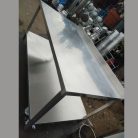
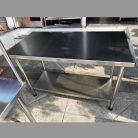
Stainless Steel Table
Key Features
• Flat work surface for food preparation, equipment, and storage
• Stainless steel construction resists rust, stains, and corrosion
• Heavy duty frame supports heavy loads without bending
• Adjustable legs for leveling on uneven floors
A stainless steel table serves countless purposes across kitchens, laboratories, and workshops. The flat, durable surface handles food preparation in restaurants. It holds laboratory equipment in research facilities. It provides workspace for packaging in warehouses. This versatility explains why stainless steel tables appear in so many professional environments. The material resists rust, stains, and corrosion, making it suitable for wet or dry conditions. The non porous surface wipes clean easily and does not harbor bacteria. These qualities make stainless steel the standard choice wherever hygiene and durability matter.
The construction quality determines how well this table performs over years of use. Commercial grade stainless steel, typically type 201 or 304, withstands constant exposure to water, food acids, and cleaning chemicals. The brushed finish hides minor scratches that inevitably occur from daily activity. A reinforced rim around the perimeter prevents the top from bending under heavy loads. Rolled edges protect users from sharp corners. The frame uses thick tubular steel that supports significant weight without wobbling. Cross bracing between legs adds stability for tasks that involve force, like kneading dough or pounding meat.
Adjustable bullet feet level the table on uneven floors, eliminating rocking that interferes with precise work. This feature proves essential in older buildings or temporary setups where floors slope. Optional undershelves add storage space without increasing the table’s footprint. Locking casters convert the stationary table into a mobile workstation, useful for rearranging layouts or thorough floor cleaning. Some models include backsplashes that prevent liquids from falling behind the table, keeping wall areas clean. Drawers provide locked storage for valuable tools or sensitive materials.
Different applications suit different table sizes. A 4 foot table fits tight spaces like food trucks or small laboratories. A 6 foot table suits most restaurant prep stations. An 8 foot table accommodates large scale food production or multiple staff working simultaneously. Measure your available space and consider your typical workflow before selecting a size. Allow clearance for staff to move around all sides. Leave room for equipment like mixers or scales that sit on the table.
Maintaining your stainless steel table takes minimal effort. Wipe the surface after each use with warm soapy water. For dried residue, a non abrasive scrub pad lifts stuck particles without scratching. Clean legs weekly to prevent grease and dust buildup. Stainless steel cleaner restores the original shine and adds fingerprint resistance. Avoid steel wool and chlorine bleach, which damage the protective oxide layer that prevents rust. Check and tighten leg bolts occasionally, as vibration can loosen connections over time.
Bringing everything together, a stainless steel table delivers reliable service across countless applications. Durable construction withstands years of daily use. Non porous surface resists stains and cleans easily. Adjustable features accommodate uneven floors and mobile needs. Multiple sizes suit different spaces and workflows. Whether preparing food in a restaurant, conducting experiments in a laboratory, or packing products in a warehouse, this stainless steel table will serve your needs reliably every day.
Be the first to review “Stainless Steel Table”
Related products
-
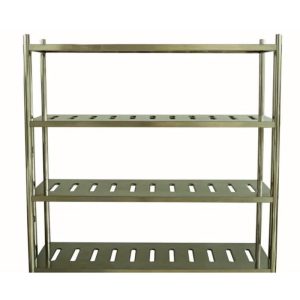
Kitchen rack
Original price was: KSh40,000.KSh38,000Current price is: KSh38,000. -
-
Stainless steel perforated rack
Original price was: KSh38,000.KSh35,000Current price is: KSh35,000. -
Stainless steel working table
Original price was: KSh17,000.KSh15,000Current price is: KSh15,000. -
utensils rack
Original price was: KSh38,000.KSh35,000Current price is: KSh35,000. -
Potato Piller
Original price was: KSh58,000.KSh55,000Current price is: KSh55,000.




Reviews
There are no reviews yet.